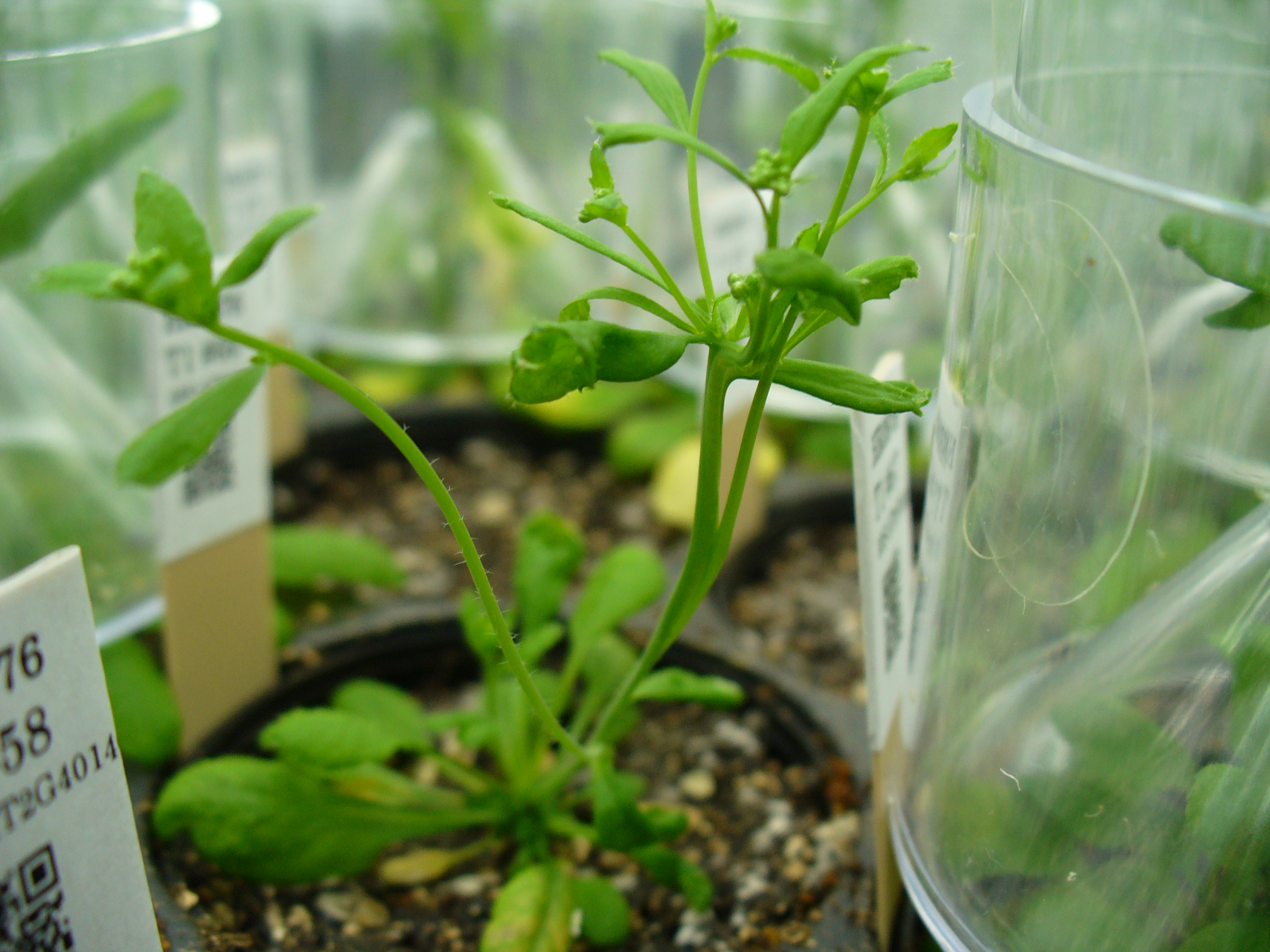
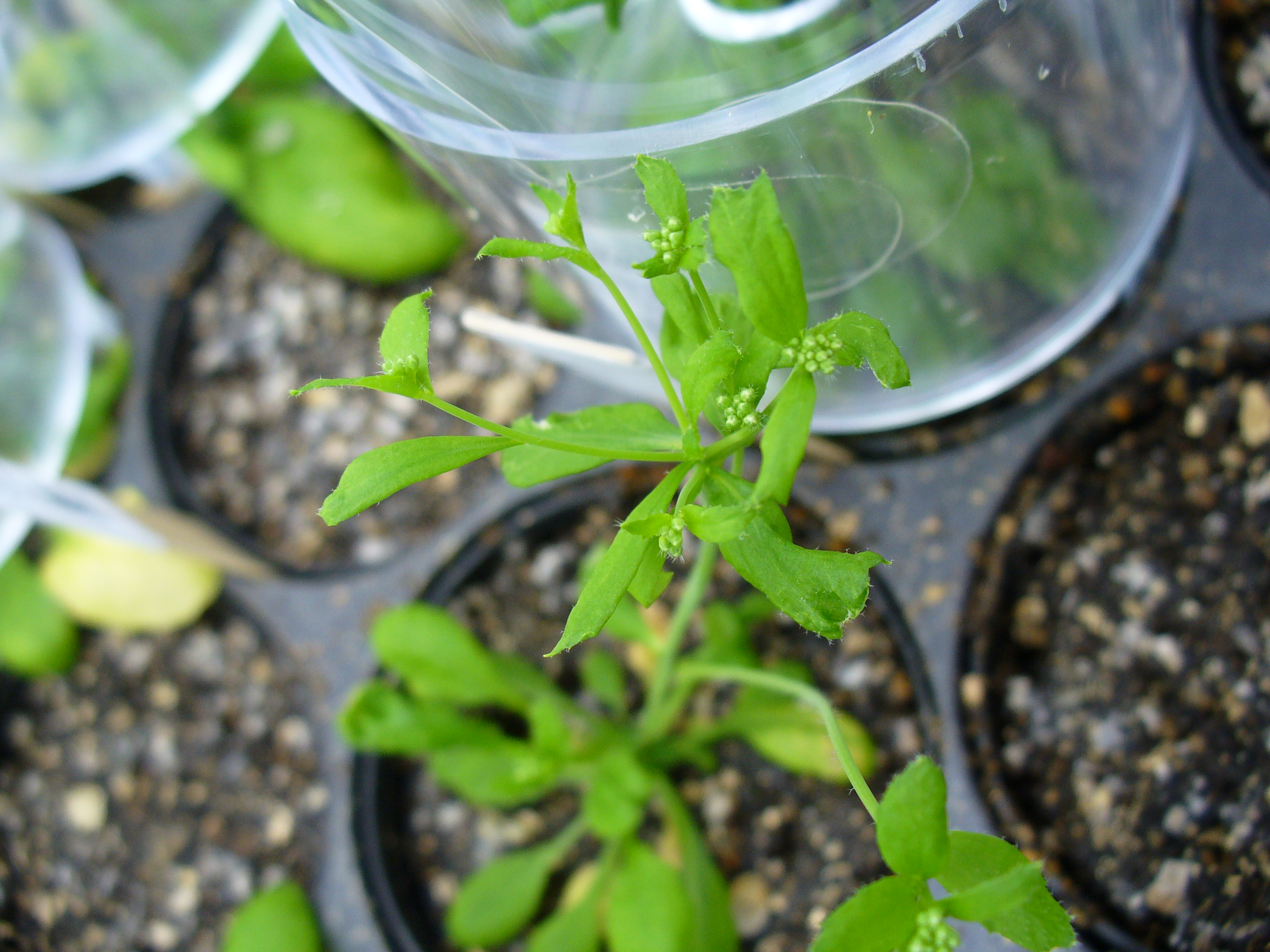
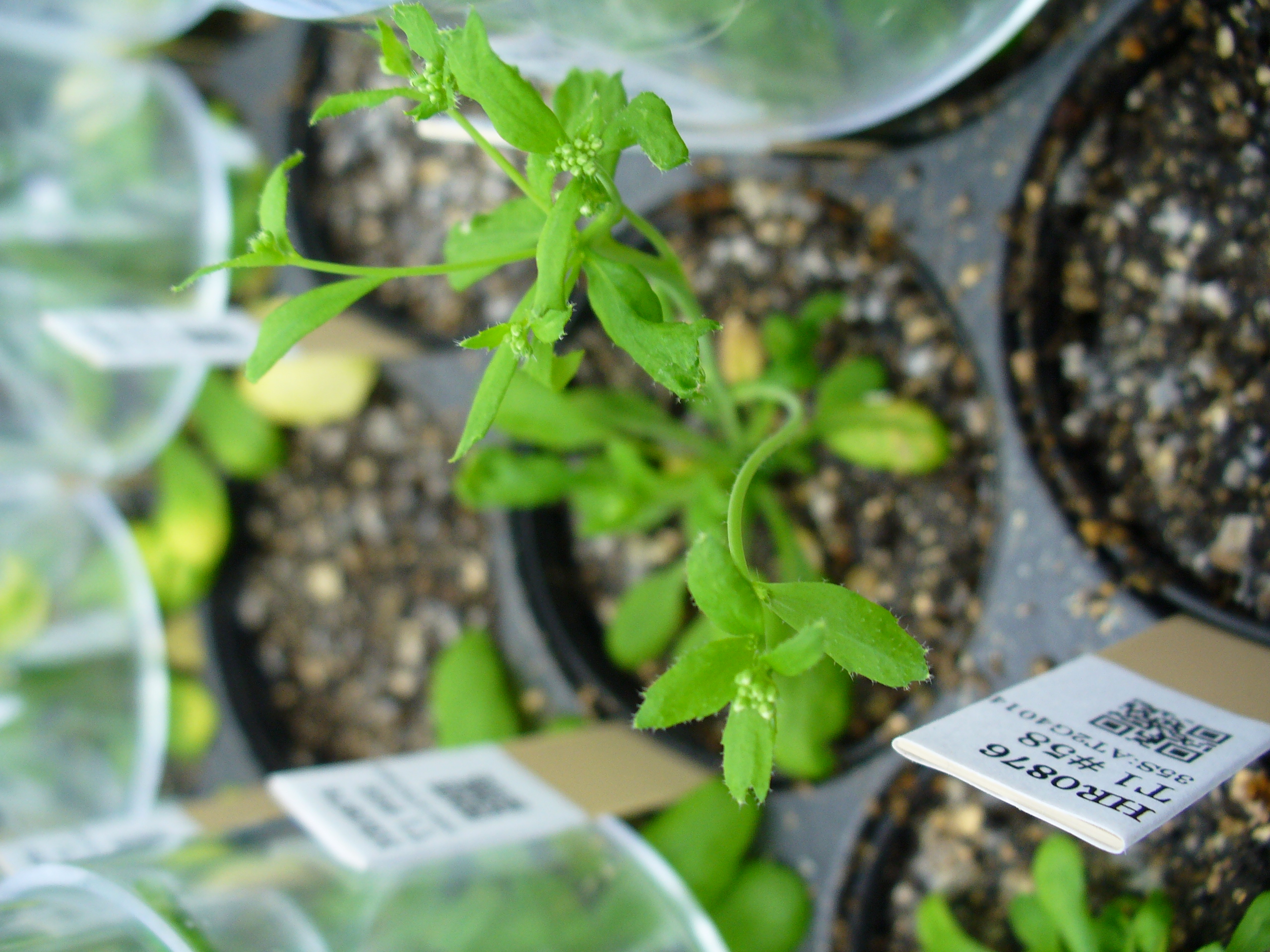
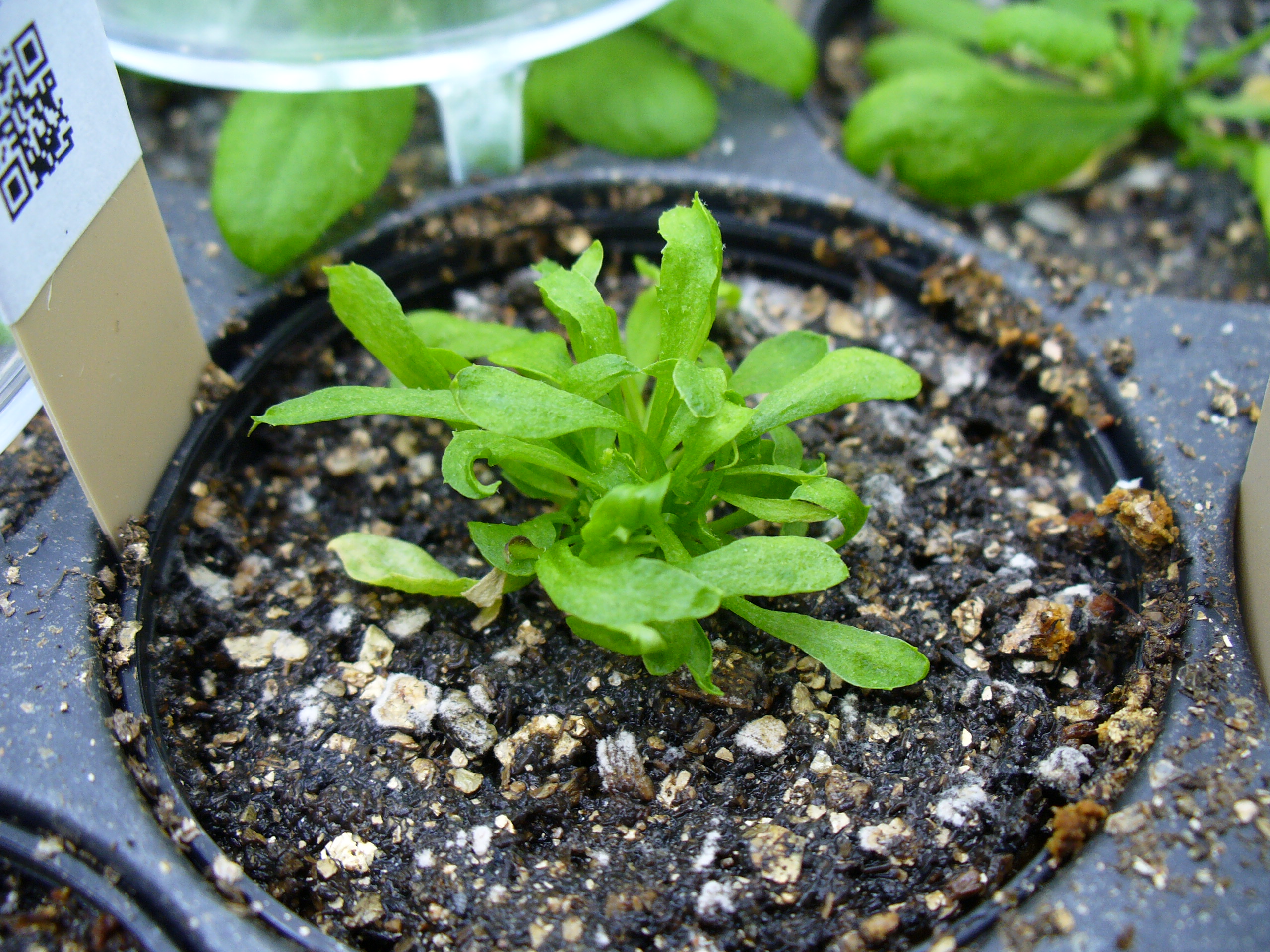
CRES-T phenotype from individual project
View all photo |
—cA•¨ŠúFã󎲒·‚Žq—tE–{—t¬‚³‚¢(14/87), –{—tF—ΔZE‹˜Ž•‘åE‚Ђ傤–Ê‚µ‚킵‚í(11/87), bushy(10/87), ‰ÔF–¢¬n‚ȉԂłª‚‚ª‰Ô•Ù‚̂悤‚ÉŠJ‚(7/87), ‚³‚âF‚â‚â•s–«(15/87), ‚»‚Ì‘¼FŒÍŽ€”‘½‚¢(20/87), ã󎲒·‚—t‚̬‚³‚¢‰è¶‚¦‚Í‚Ù‚Æ‚ñ‚nj͎€, (phenotype_A20138:leaf_—ΔZE‚µ‚í¥‹˜Ž•/flower_–¢¬n‚ȉԂłª‚ŠJ‚/silique_•s–«/stem_‘½‚¢/ƒƒ[ƒbƒgbushy/ŽíŽq‚܂΂ç)(phenotype_A20142:leaf_Œ`‚¢‚Ñ‚ÂE‚µ‚í/flower_‰Ô•Ù’Z/silique_•s–«/stem_‘½‚¢/ƒƒ[ƒbƒgbushy/ŽíŽq‚܂΂ç)
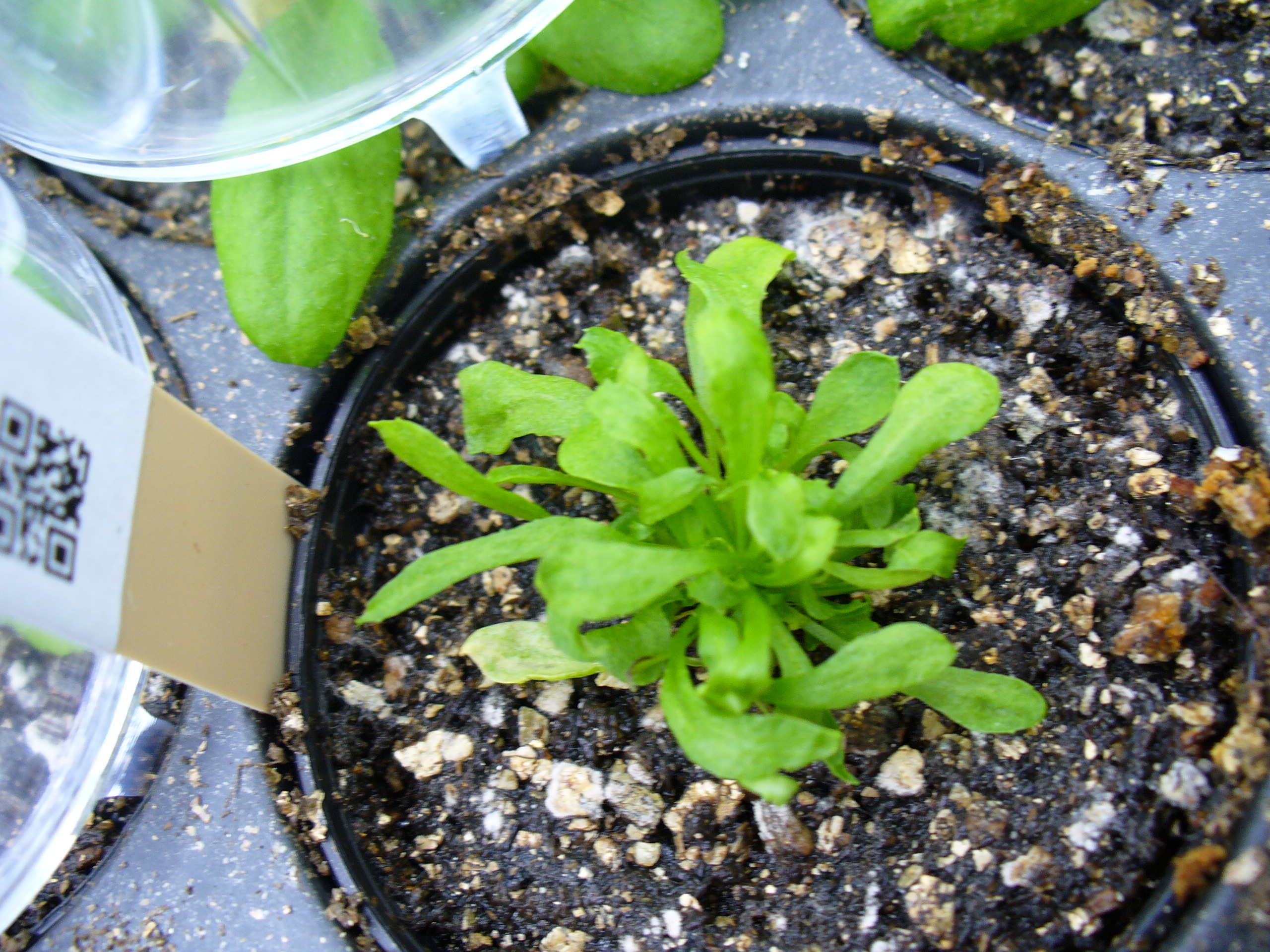
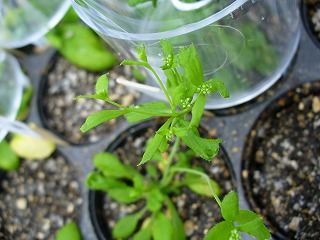
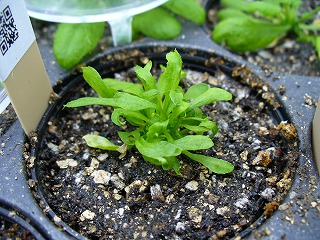
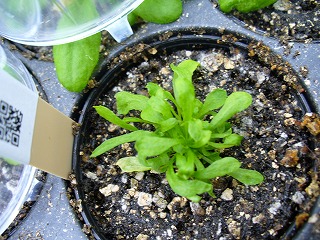
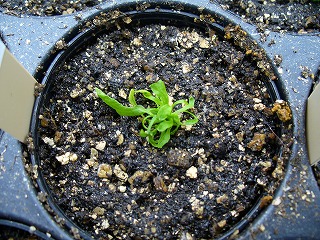
dark green leaf (A20138),
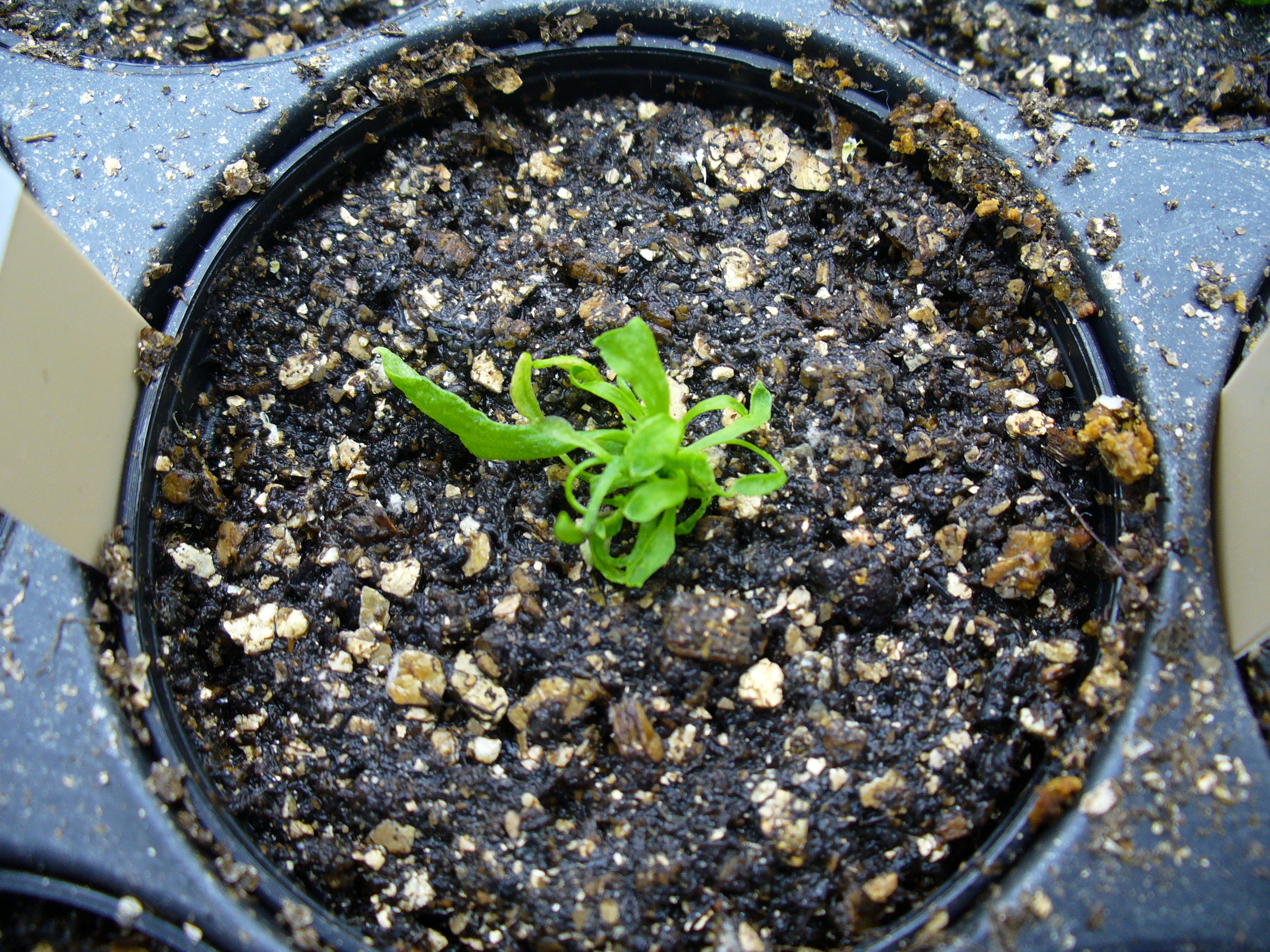
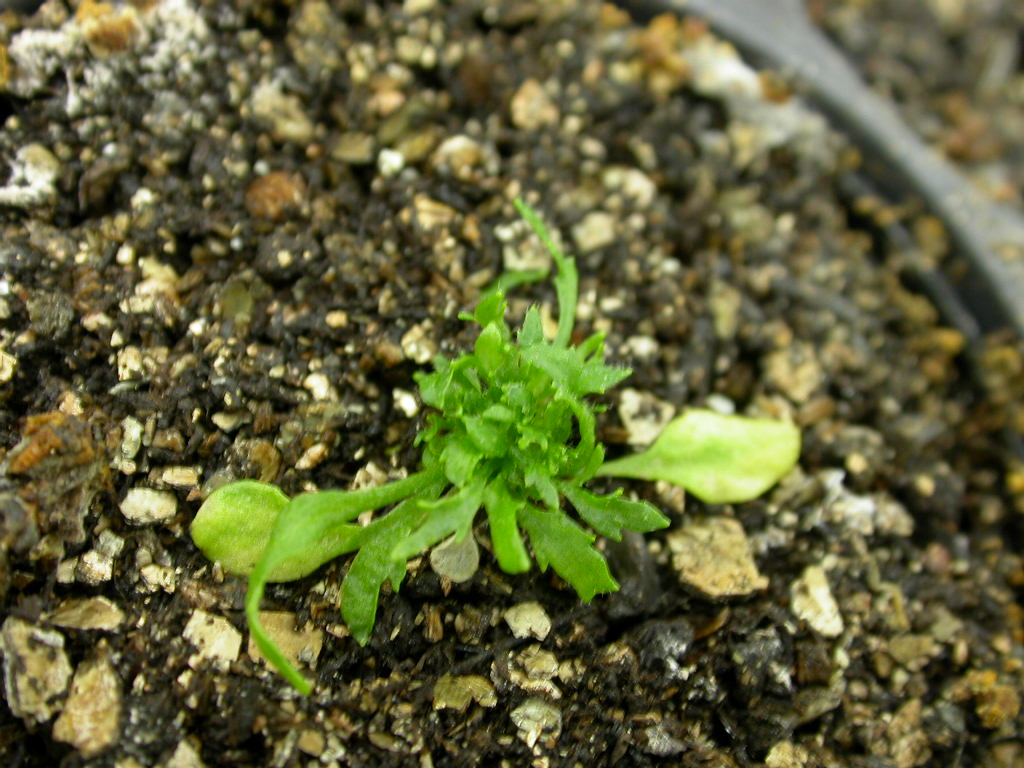
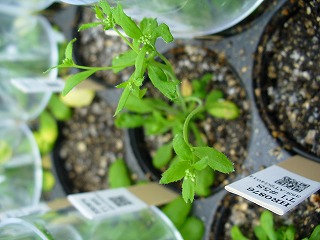
bushy (A20138, A20142),
loss of apical dominance (A20138, A20142),
abnormal petal (A20142),
abnormal shaped leaf (A20142),
serrated leaf (A20138),
sterile or low fertility (A20138, A20142),
rough surface leaf (A20138, A20142),
abnormal flower (A20138)
      and more... and more... |