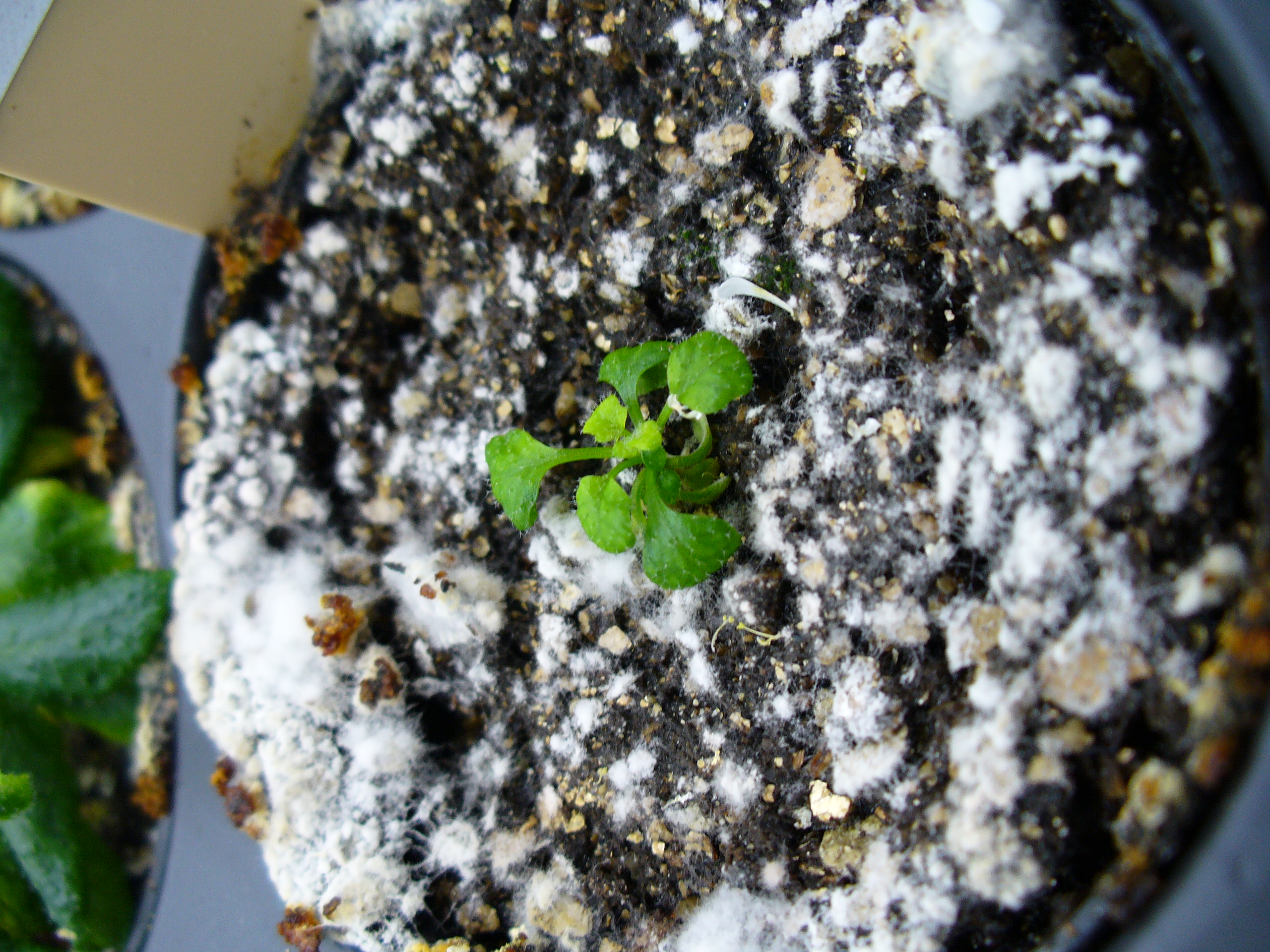
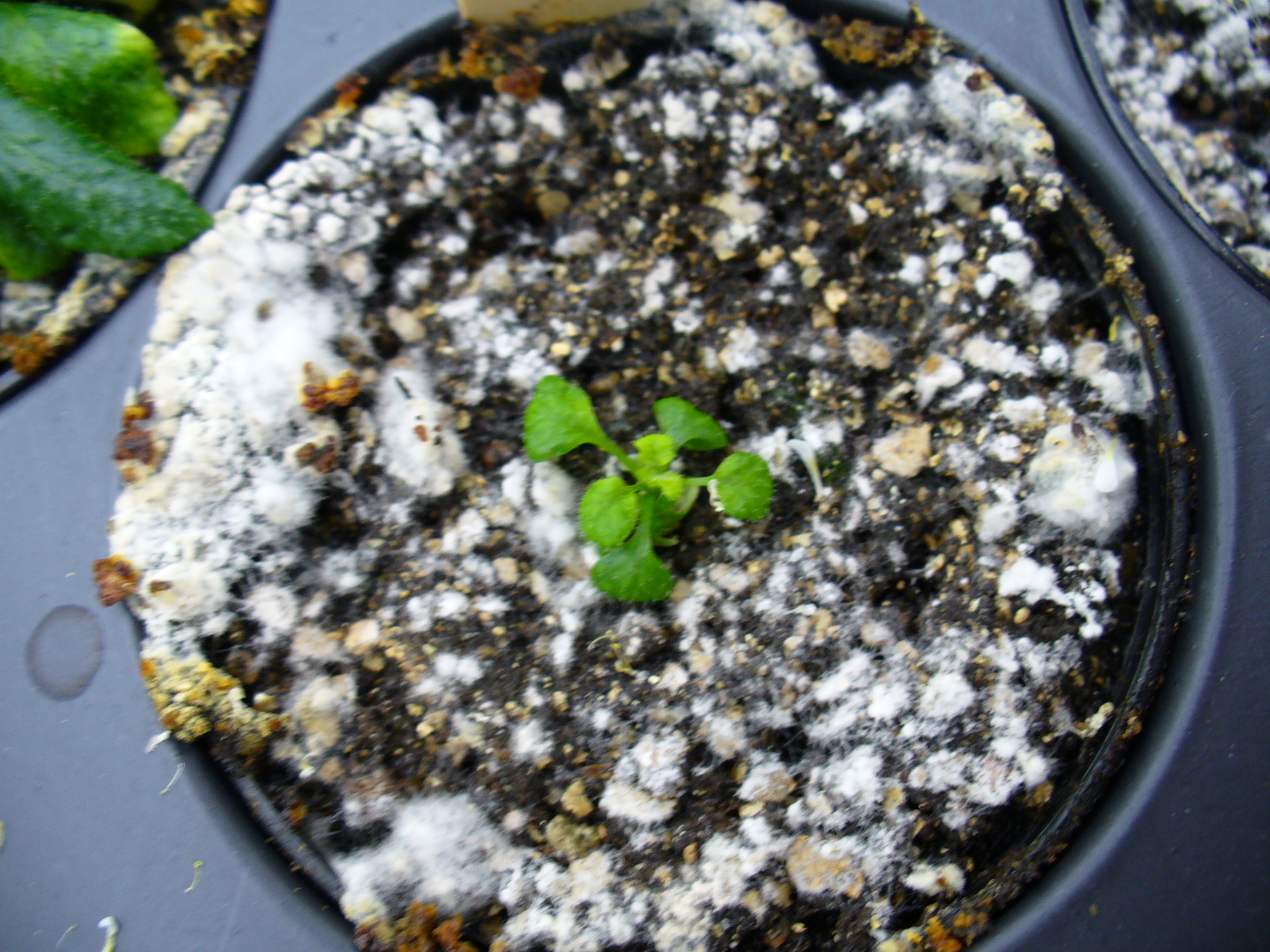
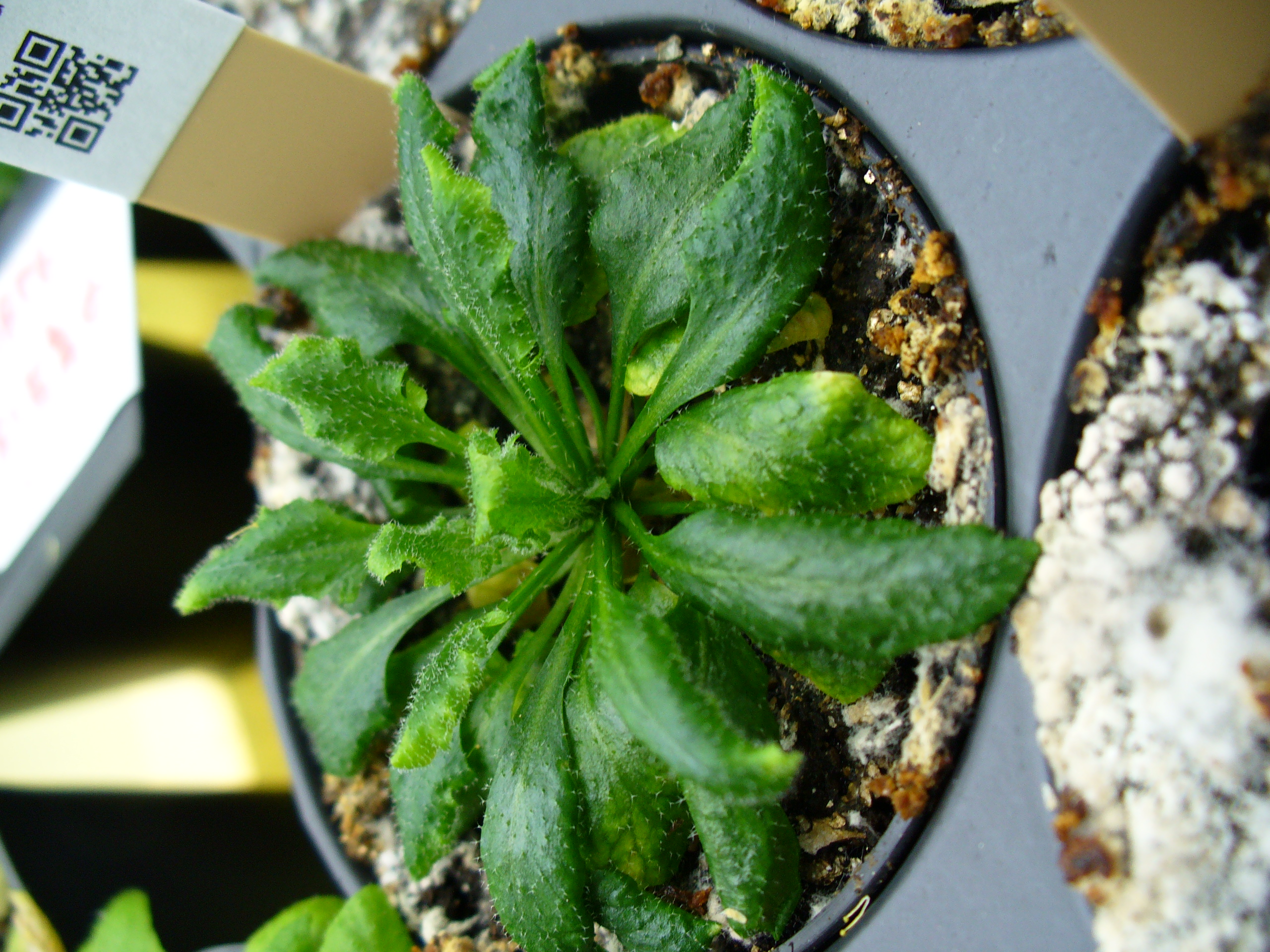
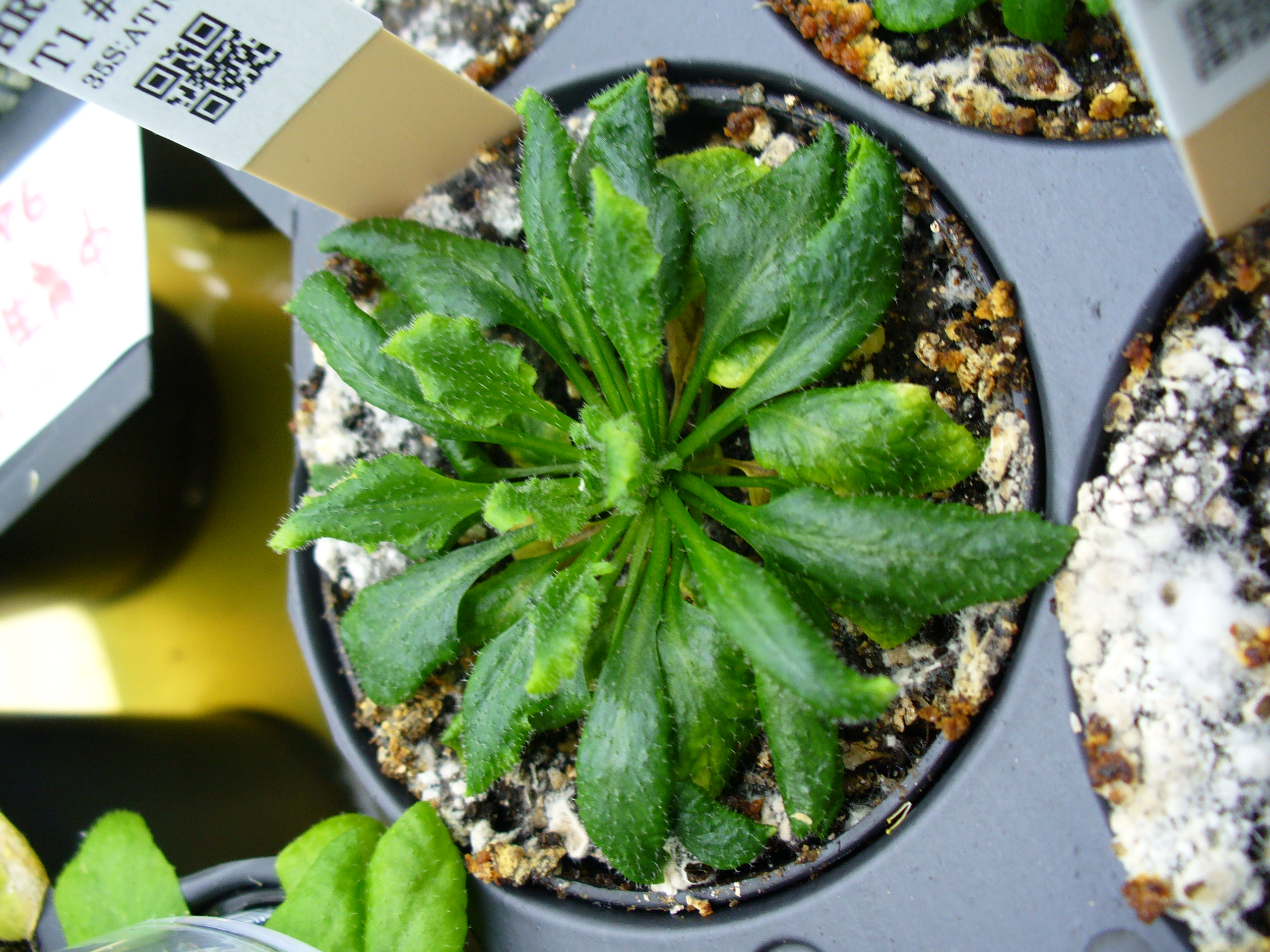
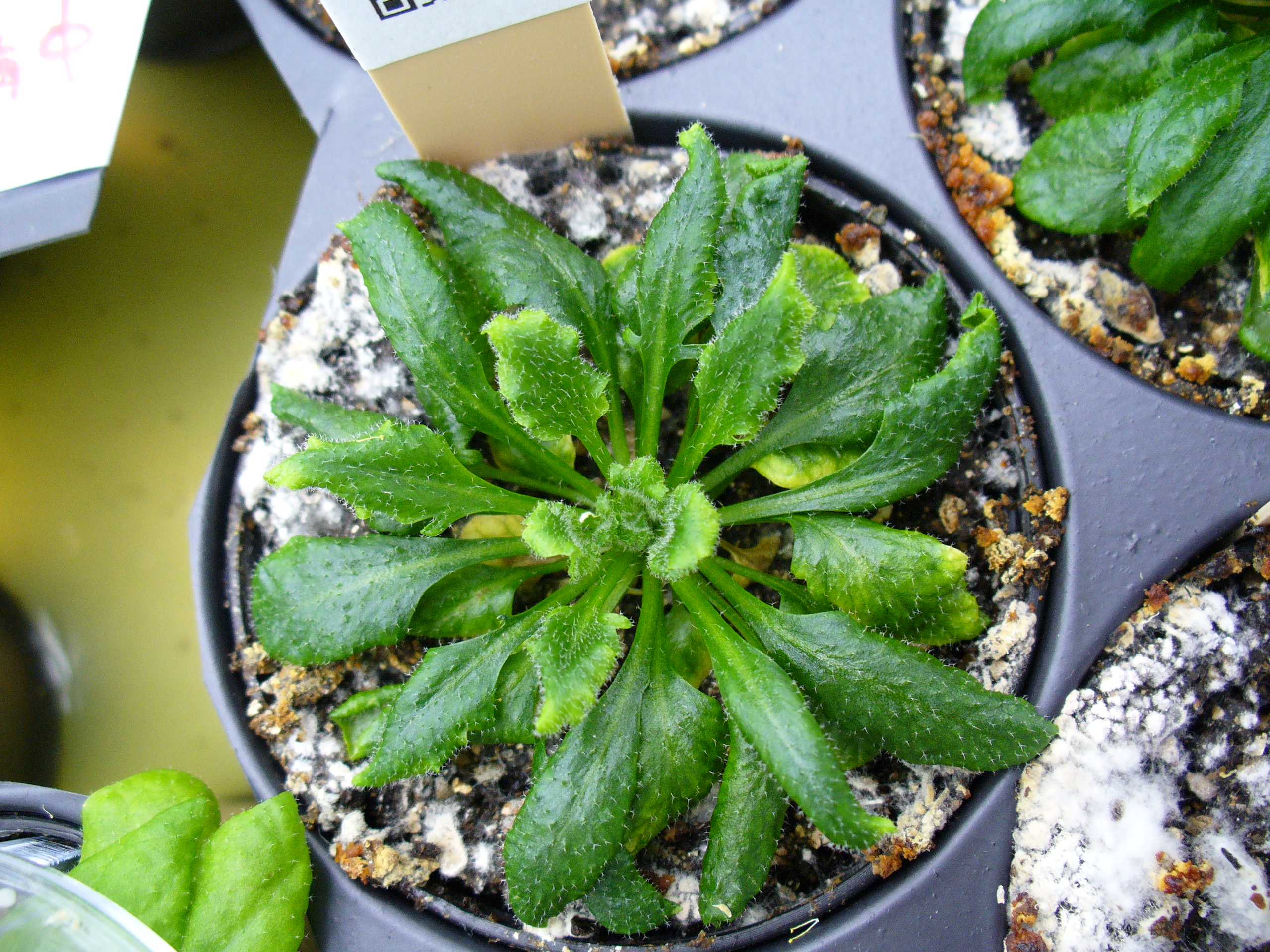
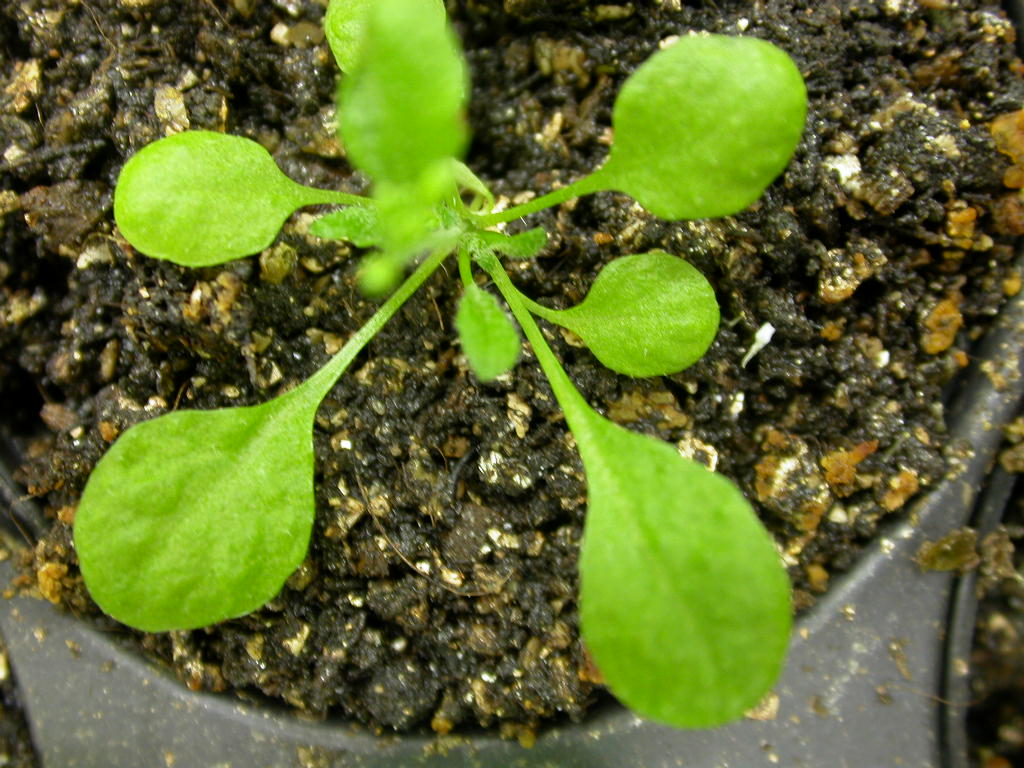
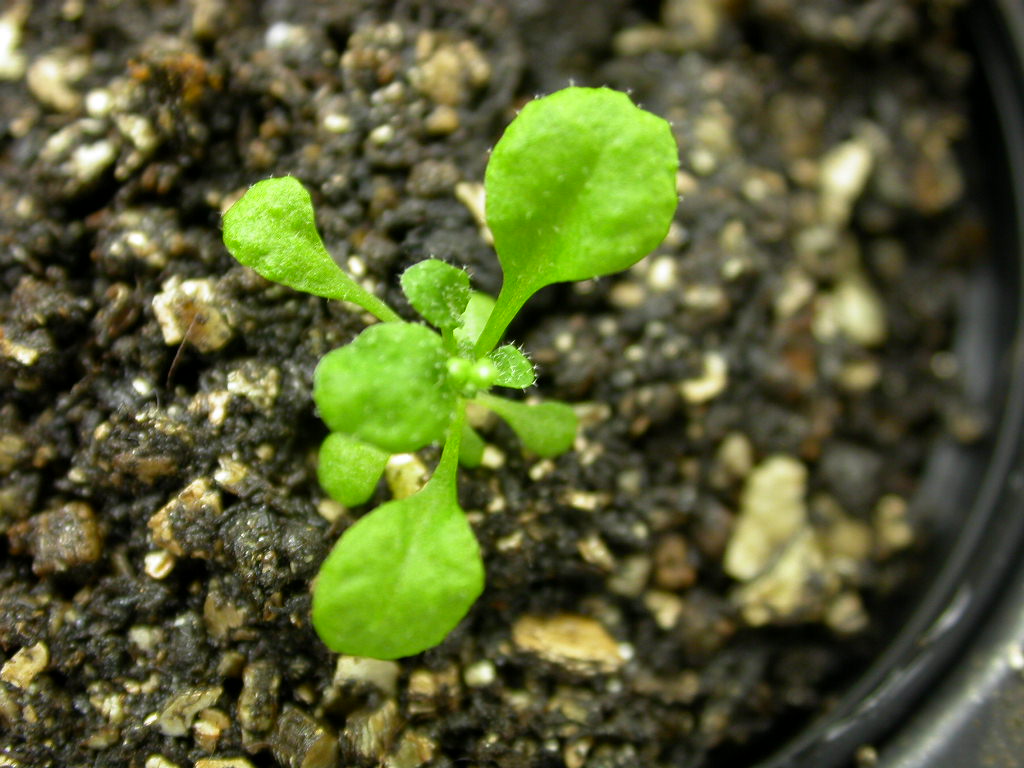
CRES-T phenotype from individual project
View all photo |
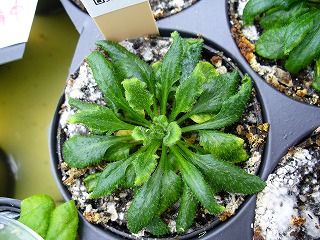
Žq—tFƒKƒ‰ƒX‰»‚Å•ªŒú‚Œ`‚¢‚Ñ‚Â(51/138), —cA•¨ŠúF‹É¬‚Å”Z—ÎF‚Åã󎲒Z‚¢(16/138), –{—tF—ΔZ‚Å‚â‚⋘Ž•‰s‚—t–¬”Z‚¢(17/82), ‰ÔF‰Ô•Ù’Z(5/82), ‚³‚âF‚²‚‚²‚‚ŋȂª‚è‚ ‚è(2/82), ‰ÔŒsF‰ÔŒs—§‚¿‚ª‹É’[‚É’x‚¢(11/82), dwarf(5/82), (phenotype_A20146:leaf_phenotype—“ŽQÆ)(phenotype_A20153:leaf_phenotype—“ŽQÆ/flower_‰Ô•Ù’Z/silique_‚²‚‚²‚ÂE‹È‚ª‚è/stem_‰ÔŒs—§‚¿’x‚¢/dwarf/ƒƒ[ƒbƒgbushy)
abnormal sepal (direct input),
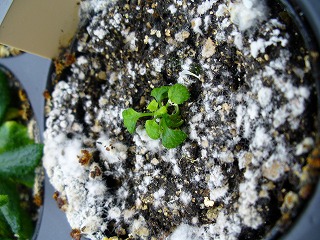
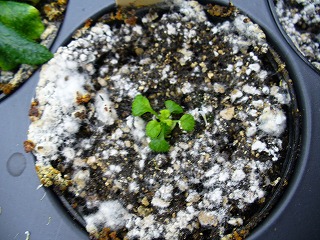
asynmetric cotyledon (direct input),
thickened cotyledon (direct input),
abnormal flower (direct input),
abnormal shaped silique (A20153),
abnormal petal (A20153, direct input),
dwarf (A20153),
late flowering (A20153),
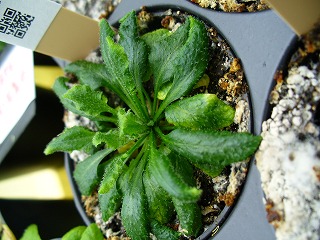
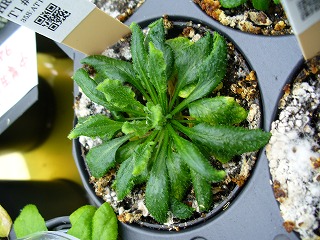
serrated leaf (A20146, A20153),
dark green leaf (A20146, A20153),
bushy (A20153)
      and more... and more... |